

Why Owned Fleet Capacity Wins During Basin Demand Spikes
What Happens to Trucking Capacity When a Basin Heats Up
When rig counts climb and completions activity accelerates in a basin, demand for trucking capacity rises faster than the spot market can absorb it. Operators leaning entirely on spot-market trucks or a rotating bench of brokers often find that during these ramp periods, equipment simply is not available where and when it is needed. Frac sand has to move from origin to the blender on schedule, crude has to keep flowing to storage and pipeline connections, and completions crews cannot wait on a truck that has not shown up. Procurement teams that treat capacity as something to source only when needed are exposed exactly when that exposure costs the most.
Challenge: Spot market trucks disappear first when a basin's rig count turns up
Spot capacity is the first thing pulled off the market when activity picks up across a basin. Rates spike, and brokers end up working the same limited pool of available trucks that every other shipper in the area is calling at the same time.
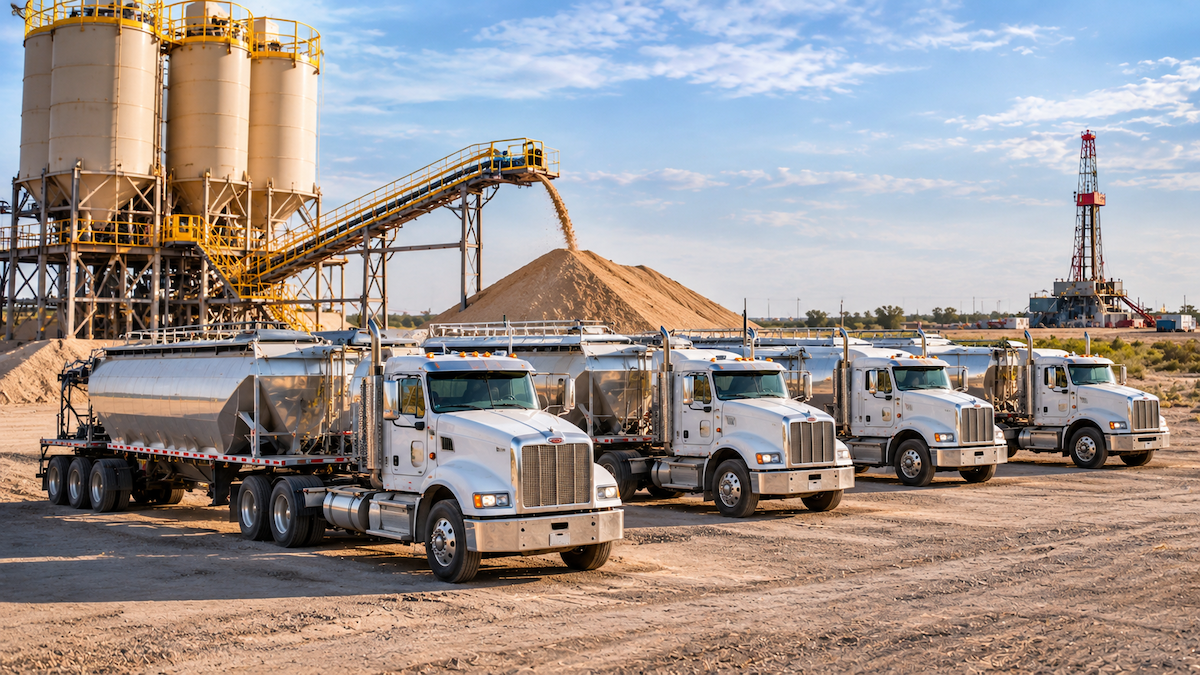
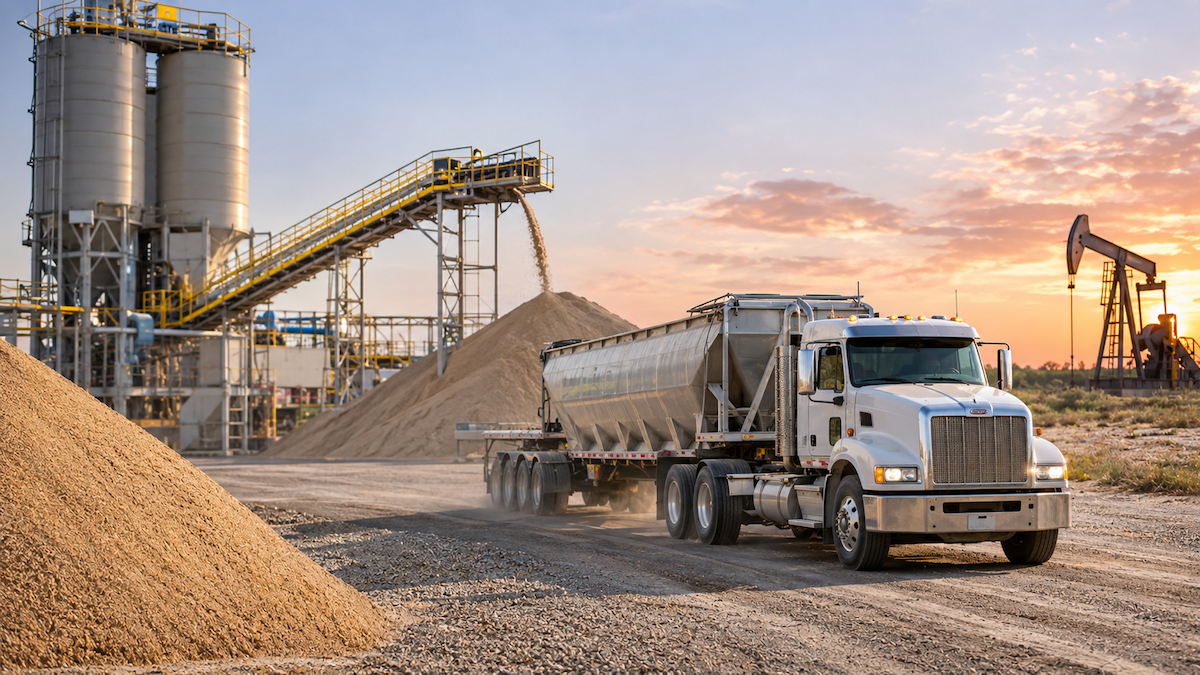
Solution: Explore Group runs a fleet of 100+ owned trucks and 250+ owned chassis and belly dumps dedicated to frac sand last-mile logistics across the Permian, Eagle Ford, MidCon, and Haynesville basins, moving proppant into the blender by hopper bottom or container. Because that equipment is already committed to the program rather than sourced on the day it is needed, operators working with Explore Group are not competing against other shippers for the same spot trucks when a basin turns hot.
Challenge: A broker's rate confirmation is only as good as the carriers still answering the phone
When a basin ramps, brokers work the same short list of available carriers everyone else is calling. A signed rate confirmation does not put a truck under a load if that carrier has already committed its equipment elsewhere.
Solution: Explore Group backs its owned equipment with a network of 50+ carrier partners built over time, not assembled on short notice during a crunch. That combination, equipment the company owns plus carrier relationships already in place, functions as a second layer of capacity rather than the first and only option an operator has to lean on.
Matching Equipment to the Job, Not Just the Load
Frac sand delivery is not one kind of move. Proppant goes in by hopper bottom or by container depending on a pad's blender setup, and mobilizing onto a new pad calls for rig mats and the right set-up equipment. Owned chassis and belly dumps let equipment be matched to the actual job spec instead of whatever happens to be available at the moment, and PO and allocation management is handled as part of the service rather than left for the operator to track and reconcile after the fact.
Consistent Work Behind Consistent Equipment
Owning fleet capacity has an effect that goes beyond the trucks themselves. Steady, planned program work, as opposed to equipment pulled onto a job for a week and reassigned the next, gives drivers and crews a predictable schedule, which supports retention on the operational side. A logistics provider that is not rebuilding its driver base every time a basin cycles is a provider whose crews already know the pads, the mine, and the pickup and delivery points. For an operator, that shows up as schedule reliability, not as a staffing statistic.
Owned Supply Behind the Owned Fleet
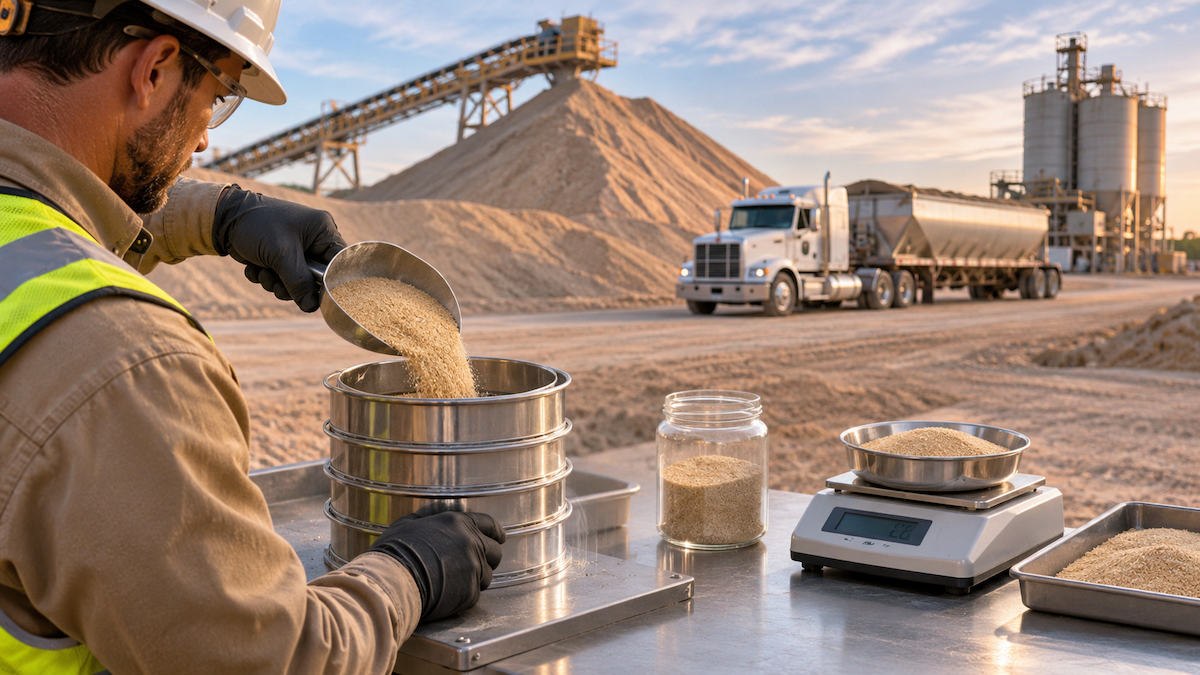
Fleet capacity solves the movement problem, but a demand spike also strains supply. Explore Group's Delaware Basin wet sand mine, south of Hobbs, Texas, has supplied energy operators for more than 20 years and carries an estimated 45 years of remaining reserves, with every load tested before it leaves the yard. Pairing owned last-mile capacity with owned supply reduces the number of points in the chain that can fail when demand across a basin spikes at once.
Final Thoughts
Rig counts and completions activity will keep cycling, and the basins Explore Group serves go through this pattern regularly. Owning 100+ trucks and 250+ chassis and belly dumps, backing that fleet with 50+ carrier partners, and reviewing performance after every pad and program gives operators and procurement teams a capacity plan that does not depend on the spot market holding steady. That is the difference between logistics that gets stressed by a demand spike and logistics that was built to handle one. Contact us today! 877-FRACK-IT
More Articles

Ready to Work With Explore Group?
